🇯🇵 日本 · Japan
ティックの日本
「データは劣化しない。でも、手でつくったものは、時間とともに変わっていく。」
Data doesn't degrade. But things made by hand change over time.
活動について
About
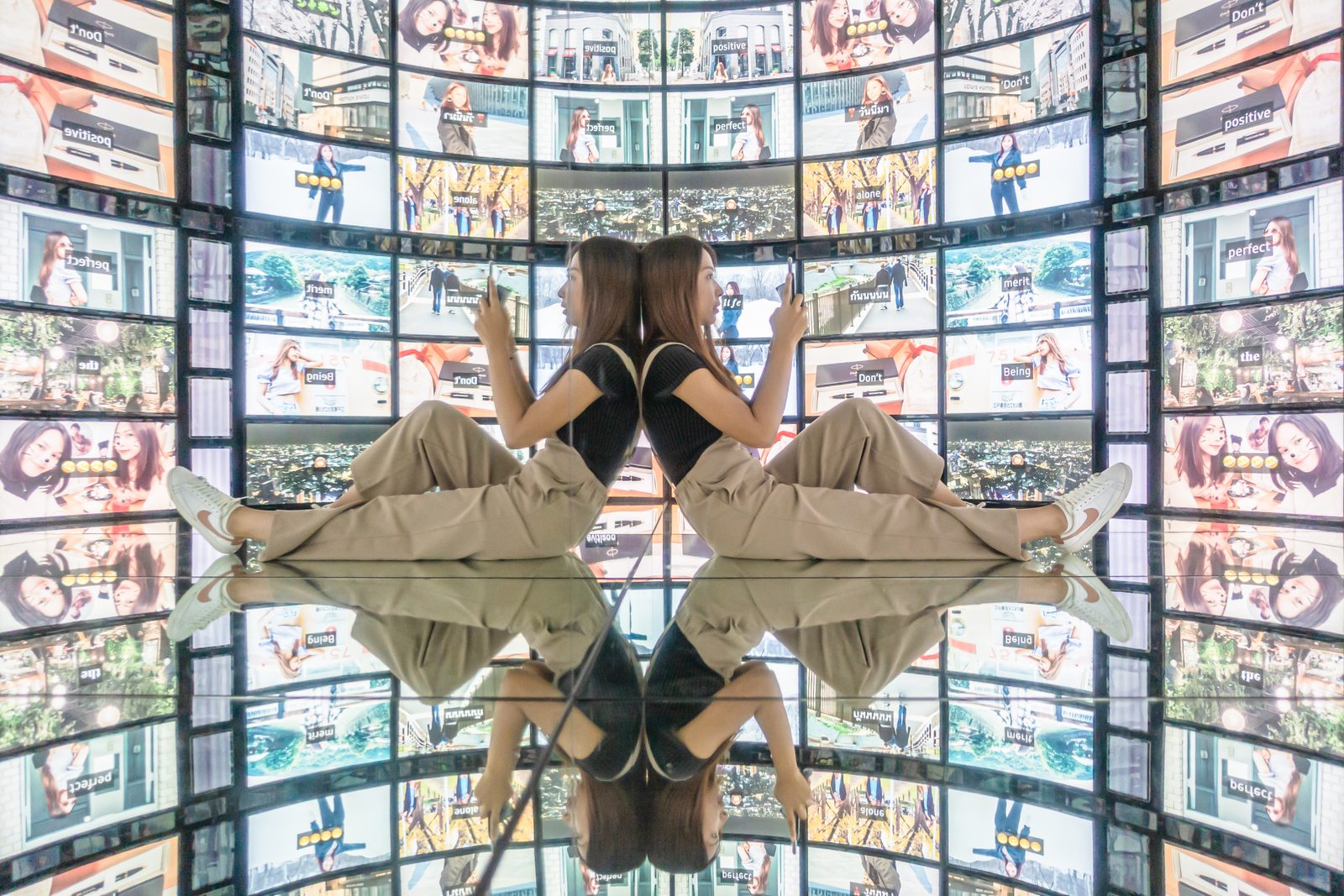
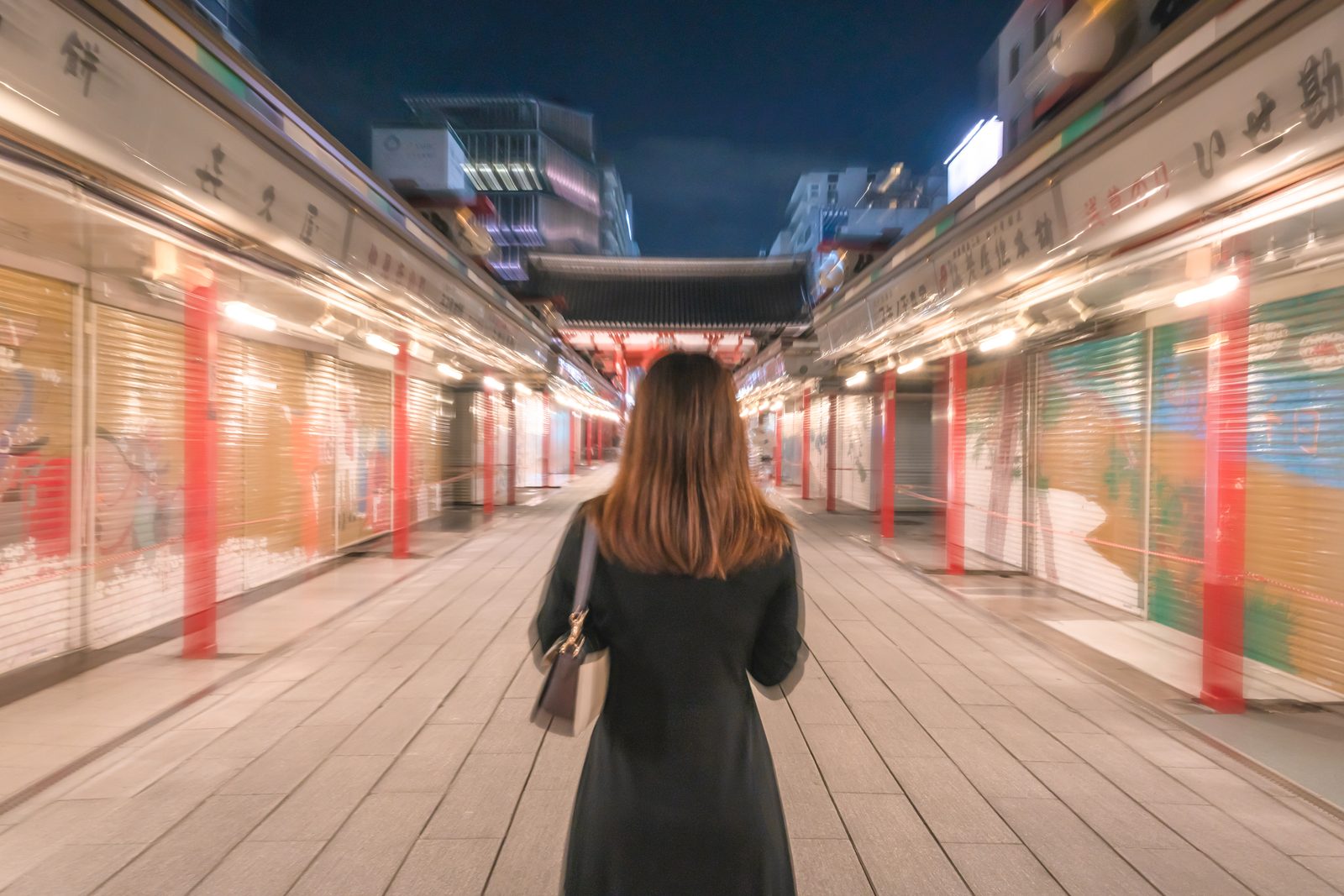
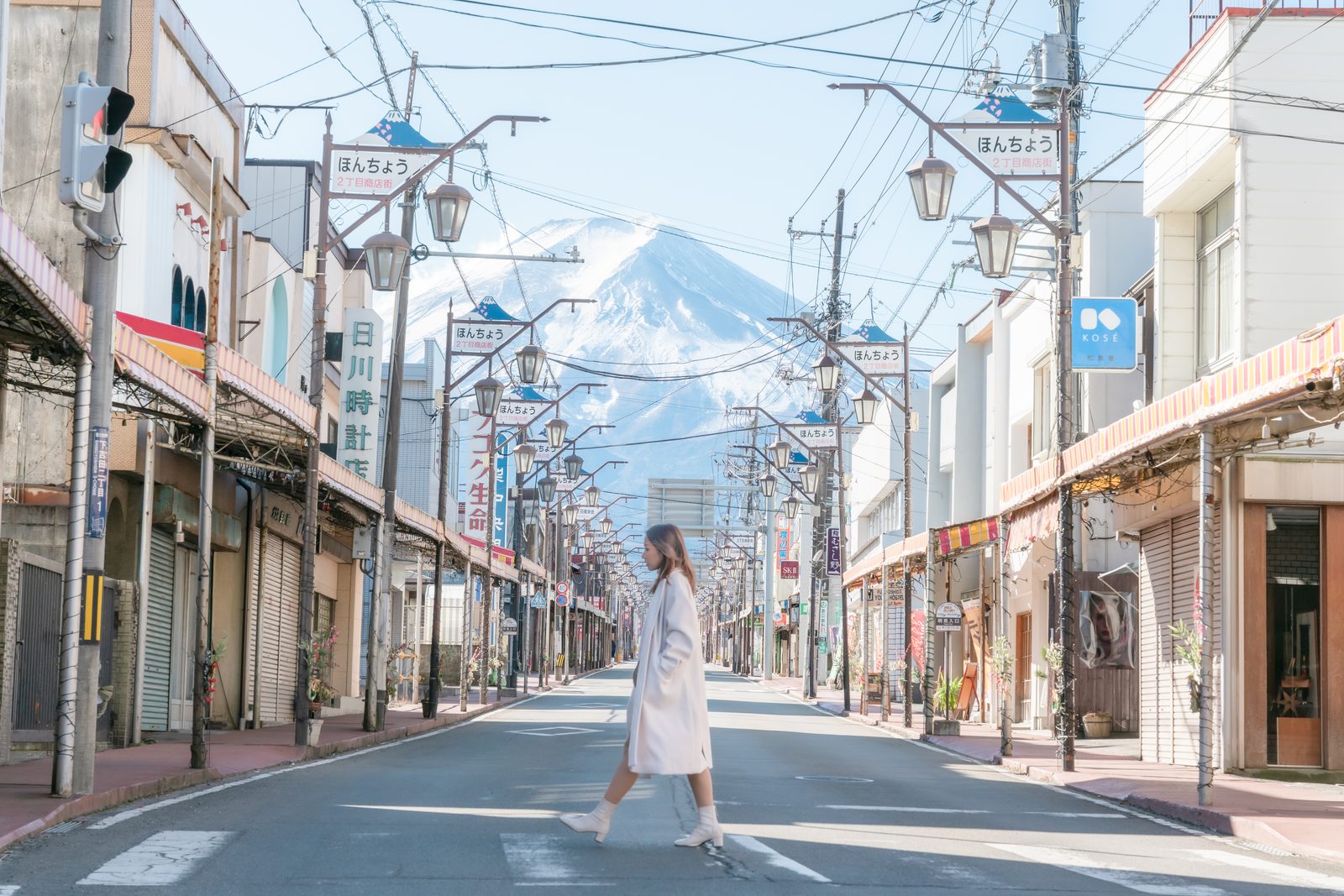
タイ人の妻と日本を題材に作品作りをしています。タイ人から見た日本、彼女の生活など関連した写真を撮り続けています。 大阪・ドキュメンタリー・過去出版なし(写真表現大学にて4年学び写真集を制作)
Together with my Thai wife, I make work on the theme of Japan. I keep photographing Japan as seen through Thai eyes, her daily life, and related subjects. Based in Osaka. Documentary. No prior publications (I studied for four years at the College of Photography and produced a photobook).
出展予定の本
Present Work
タイトル「ティックの日本」本(写真表現大学で制作した本を出版予定)A4、25-30部予定。写真表現大学の修了作品展に展示にて発表したのみで他では出展、販売等していない。
Title: "Tick's Japan." A book (I plan to publish the book I made at the College of Photography). A4, planned print run of 25–30 copies. It has only been shown at the College of Photography's graduation exhibition; it has not been exhibited or sold anywhere else.
なぜ、わざわざ本を
Why a book
妻はタイ人です。同じ場所に立っても、彼女が見ているものと、私が見ているものは、きっと違う。 京都の神社で彼女が足を止めた瞬間、私には「見慣れた風景」でも、彼女には生まれて初めて出会う何かだった。その「ずれ」が、愛おしかった。 SNSに上げれば、それで記録はできる。でも、スクロールされて消えていく画面の中に、あの「ずれ」は収まらない気がしました。 だから、本にした。 二人分の視線を、一冊の中に閉じ込めたかった。ページをめくるという行為の中に、あの旅の間合いを残したかった。 データは劣化しない。でも、手でつくったものは、時間とともに変わっていく。そのほうが、私たちの旅に似ていると思いました。 「わざわざ」つくることが、この本の内容そのものです。
My wife is Thai. Even when we stand in the same place, what she sees and what I see are surely different. In the moment she stopped walking at a shrine in Kyoto, what was for me a "familiar scene" was, for her, something she was encountering for the very first time. That "gap" was dear to me. If I posted it to social media, that would record it. But within a screen that scrolls past and vanishes, that "gap" would not, I felt, be held. So I made it into a book. I wanted to seal two people's gazes inside a single volume. Within the act of turning pages, I wanted to preserve the rhythm and spacing of that journey. Data does not degrade. But something made by hand changes with time. I thought that was more like our own journey. Making it "the hard way" — wazawaza — is itself the very content of this book.
なぜ、わざわざ伊賀へ
Why Iga
名張・伊賀は私が育った場所です。伊賀という土地も、私にとってはずっと「当たり前の風景」でした。でも今なら、妻と歩いたらどう見えるだろう、と思う。そういう眼差しを、この本は持っている気がしています。 初めてのブックフェア。縁もありました。東京や大阪の大きなフェアではなく、ここに持ってきたかった理由は、自分のルーツに近い場所で、この本を開いてほしかったから。遠い観光地の写真集を、地元の空気の中で手に取ってもらうこと、その少しのねじれが、かえって何かを届けられる気がしています。 「よそ者の目」と「地元の記憶」が交差する場所に、この本を置きたかった。
Nabari and Iga are where I grew up. Iga, too, had long been, for me, an "ordinary landscape." But now I find myself wondering how it would look if I walked it with my wife. This book, I feel, holds that kind of gaze. My first book fair. There was a connection, too. The reason I wanted to bring it here rather than to the big fairs in Tokyo or Osaka is that I wanted this book to be opened in a place close to my own roots. To have a photobook of a distant tourist destination picked up within the air of one's home ground — that slight twist, I feel, may in fact allow something to come through. I wanted to place this book in a spot where "the outsider's eye" and "local memory" intersect.