🇯🇵 日本 · Japan
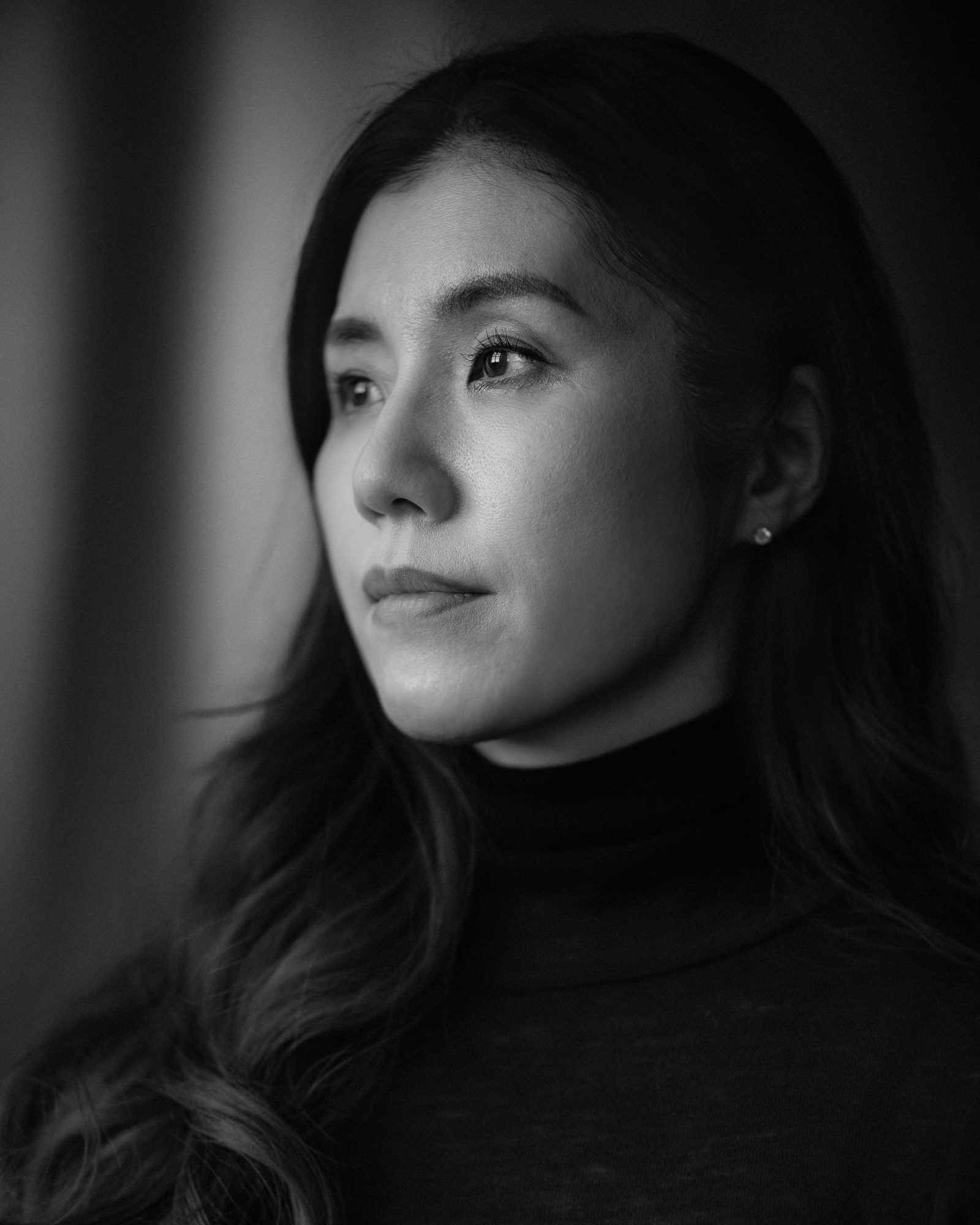
楠尚子 / Naoko Kusunoki
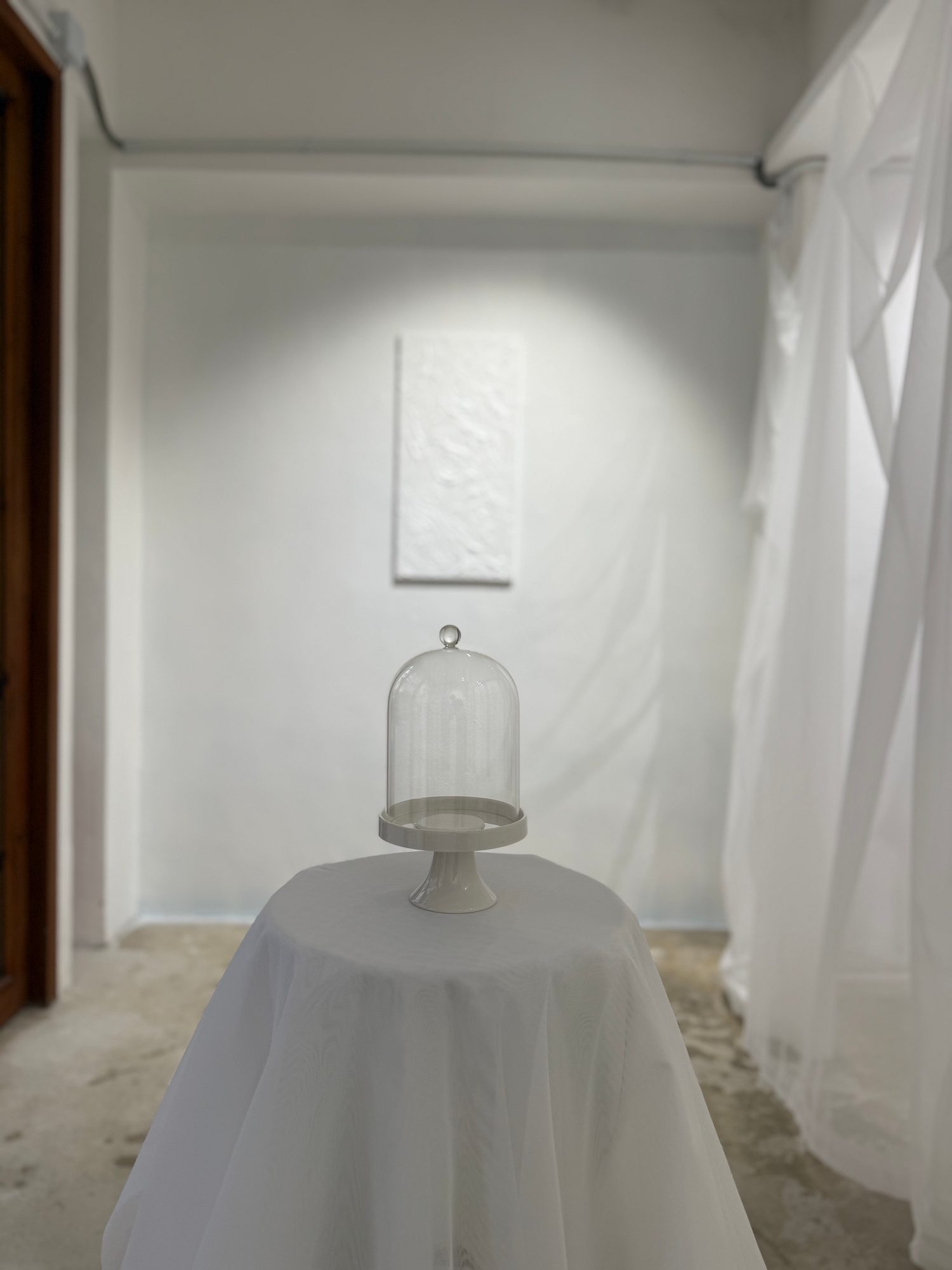
「香りの作品は、展示が終わると消えてしまいます。」
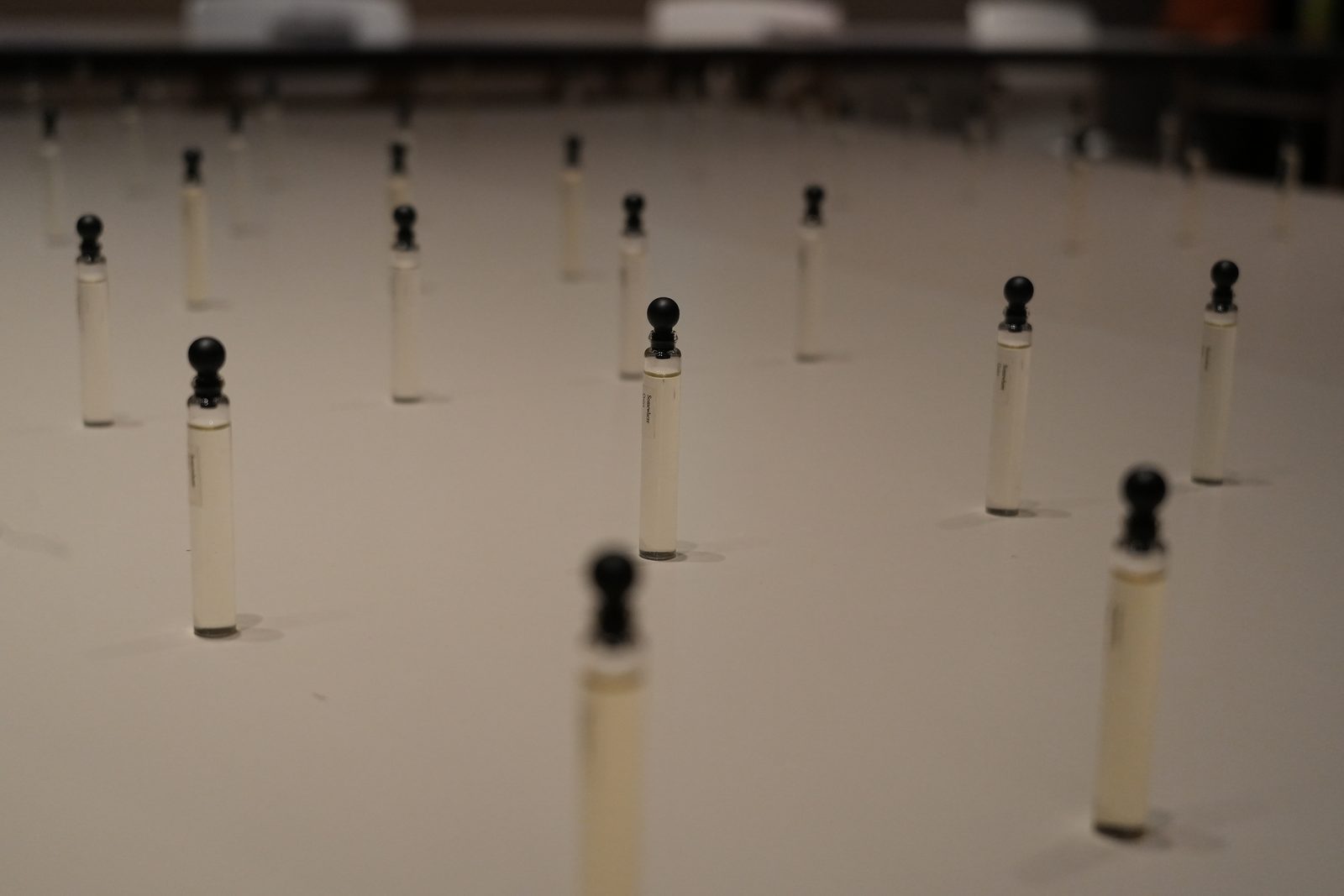
A work made of scent vanishes once the exhibition ends.
活動について
About
東京と京都を拠点に、嗅覚を中心とした現代美術・フレグランス・言語表現の交差領域で制作を行っています。匂いを単なる表現媒体としてではなく、関係性の中で意味が生成される「不安定な言語」として扱い、インスタレーション、パフォーマンス、ワークショップなどの形式へ展開しています。近年はシドニーの アーティストNadia Vitlin と共同で、香りを関係的な言語として捉えるプロジェクト、《Olfactophone》を軸に、香り・記憶・誤読・翻訳不可能性をテーマとした作品群を発表しています。本プロジェクトは、私にとって初めてのアーティストブックとして展開する試みでもあり、これまで展示やプロジェクトベースで扱ってきた要素を、紙という形式に再構成しようとするものです。
Based between Tokyo and Kyoto, I work at the intersection of contemporary art, fragrance, and language centered on the sense of smell. Rather than treating scent merely as an expressive medium, I approach it as an "unstable language" whose meaning is generated within relationships, developing this into forms such as installation, performance, and workshops. In recent years, in collaboration with the Sydney-based artist Nadia Vitlin, I have been presenting a body of work themed around scent, memory, misreading, and untranslatability, centered on the project «Olfactophone», which regards fragrance as a relational language. This project is also my first attempt at developing an artist book — an effort to reconstruct, into the form of paper, elements I have so far handled on an exhibition and project basis.
出展予定の本
Present Work
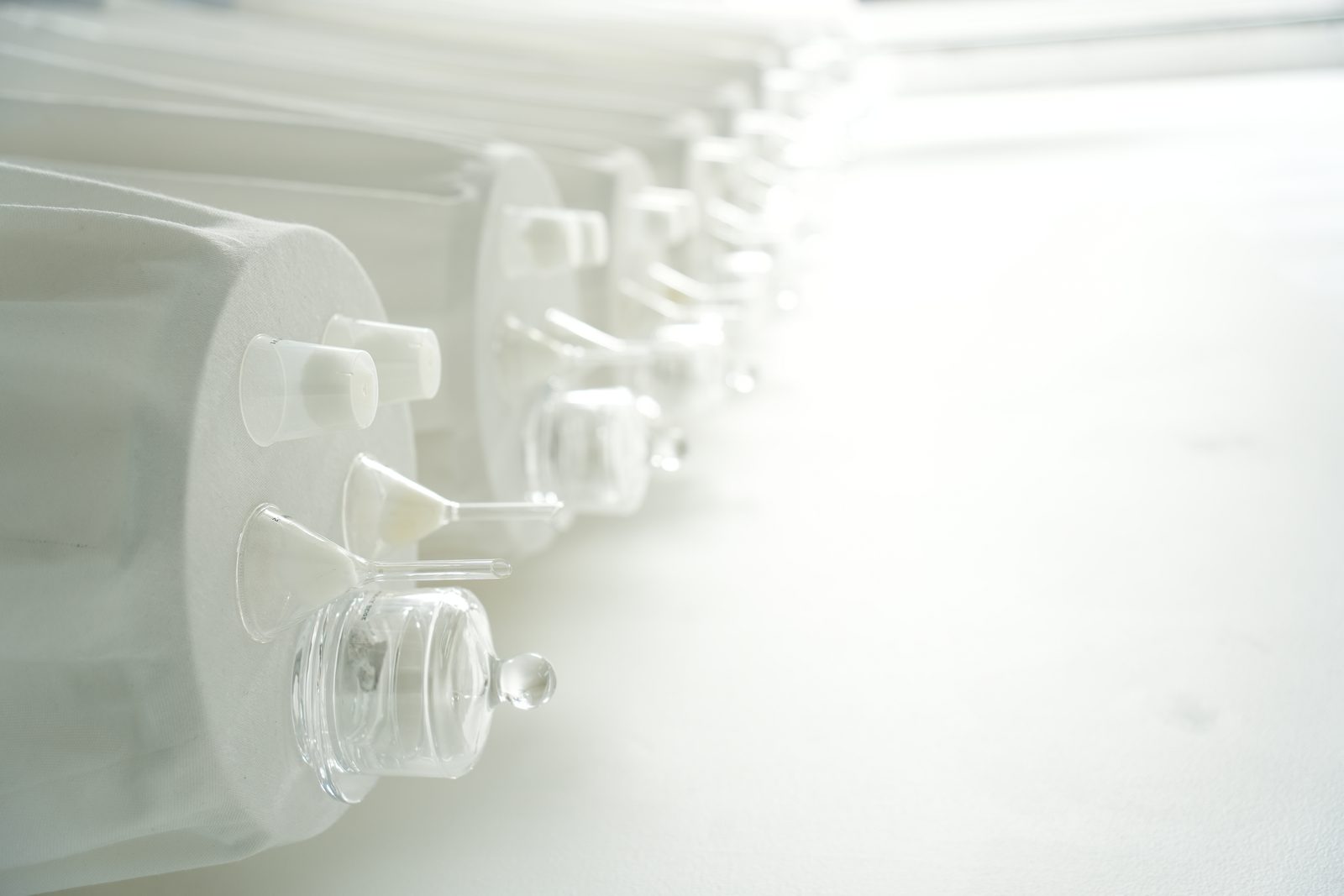
出展予定の本は、「Olfactophone / One Side of a Conversation」を起点としたアーティストブックです。本作品は作品記録集ではなく、制作過程の断片、試香紙、封筒、折り構造、差し込みカード、香りのサンプルなどによって構成されています。ページそのものが情報を記録する媒体であると同時に、物理的な構造体として立ち上がる「Portable Exhibition」として設計されています。本は固定された順序や単一の読みを持たず、メモが飛び出し、香りが隠れ、断片が差し込まれることで成立します。この構造自体が、「Olfactophone」における部分的理解による関係性を物質として実装する試みです。限定少部数の手製本作品として制作予定です。
The book I plan to exhibit is an artist book that takes "Olfactophone / One Side of a Conversation" as its point of departure. This work is not a record of a work but is composed of fragments of the making process, scent-testing strips, envelopes, folded structures, insert cards, scent samples, and more. The pages themselves are a medium that records information while also standing up as a physical structure — designed as a "Portable Exhibition." The book has no fixed order or single reading; it comes into being as notes spring out, scents hide away, and fragments are inserted. This structure itself is an attempt to materially implement the relationships-through-partial-understanding found in "Olfactophone." It is planned as a hand-bound work in a limited, small edition.
なぜ、わざわざ本を
Why a book
香りの作品は展示が終わると消えてしまいます。ワークショップで交わされた会話も、香りを嗅いだ体験も、その場限りのものです。《Olfactophone》もまた、完成した作品というよりも交換のプロセスそのものに価値を置くプロジェクトです。そのため、写真やテキストだけでは残しきれないものが多くあります。 私は今回、本を情報を伝える媒体としてではなく、香りや素材、手触りを伴う物体として捉えています。試香紙や差し込み式のパーツを用いるのも、本を読むためではなく、開き、触れ、取り出し、嗅ぐためです。デジタルな記録が容易な時代だからこそ、香りのように複製しきれないものを、手作業による限定的な形で残したいと思いました。不完全で、非効率で、誰も同じ体験を共有できない。その状態は、《Olfactophone》が探求している「部分的な理解を通したコミュニケーション」と重なっています。この本は作品の記録ではなく、作品そのものの延長として存在します。
Works of scent vanish once the exhibition ends. The conversations exchanged in a workshop, the experience of smelling a fragrance — these belong only to that moment. «Olfactophone», too, is a project that places its value in the process of exchange itself rather than in a finished work. For that reason, there is much that photographs or text alone cannot fully preserve. This time, I regard the book not as a medium for conveying information but as an object that comes with scent, material, and touch. The reason I use scent-testing strips and insert-type parts is not so that the book can be read, but so that it can be opened, touched, drawn out, and smelled. Precisely because we live in an age where digital recording is so easy, I wanted to preserve something that cannot be fully reproduced — like scent — in a limited, handmade form. Incomplete, inefficient, and impossible for anyone to experience identically. That state overlaps with the "communication through partial understanding" that «Olfactophone» explores. This book is not a record of the work but exists as an extension of the work itself.
なぜ、わざわざ伊賀へ
Why Iga
この作品は、当初から一般的なアートブックやZINEの延長線上にある形式には適合しない構造として考えていました。ページを持つことはできても、それを軽やかに流通させたり、均質な読書体験として共有することを前提としたものではなく、むしろ「本」という形式そのものを再定義する必要があると感じていました。 そのような中で本フェアの存在を知り、「本」という形式そのものを拡張しようとする姿勢や、制作と流通の枠組みを更新しようとする試みに強い関心を持ちました。従来のアートブックの枠組みとは異なる前提があり、その点においてむしろ本プロジェクトと接続する可能性を感じています。 伊賀という場所に届けることは、都市的なスピードや既存の文脈の中心から離れることではなく、むしろ異なる条件の中で作品がどのように再構成されるかを試す行為です。アートブックフェアという形式そのものが、流通ではなく「遭遇」を生む装置であり、その中で本がどのように誤読され、意味を更新されていくのかを実験したいと考えています。
From the outset, I conceived of this work as a structure that would not fit the format of an ordinary art book or zine and its extensions. It can have pages, but it is not premised on being circulated lightly or shared as a uniform reading experience; rather, I felt a need to redefine the very form of the "book" itself. Amid this, I learned of this fair and became strongly interested in its stance of trying to expand the very form of the "book," and its attempt to update the framework of production and circulation. It proceeds from premises different from those of the conventional art-book framework, and in that respect I sense a possibility of connection with this project. Delivering the work to a place like Iga is not about leaving behind urban speed or the center of existing contexts; rather, it is an act of testing how a work is reconstituted under different conditions. The very form of an art book fair is a device that produces not distribution but "encounter," and within it I want to experiment with how a book gets misread and has its meaning updated.