🇸🇬 シンガポール · Singapore
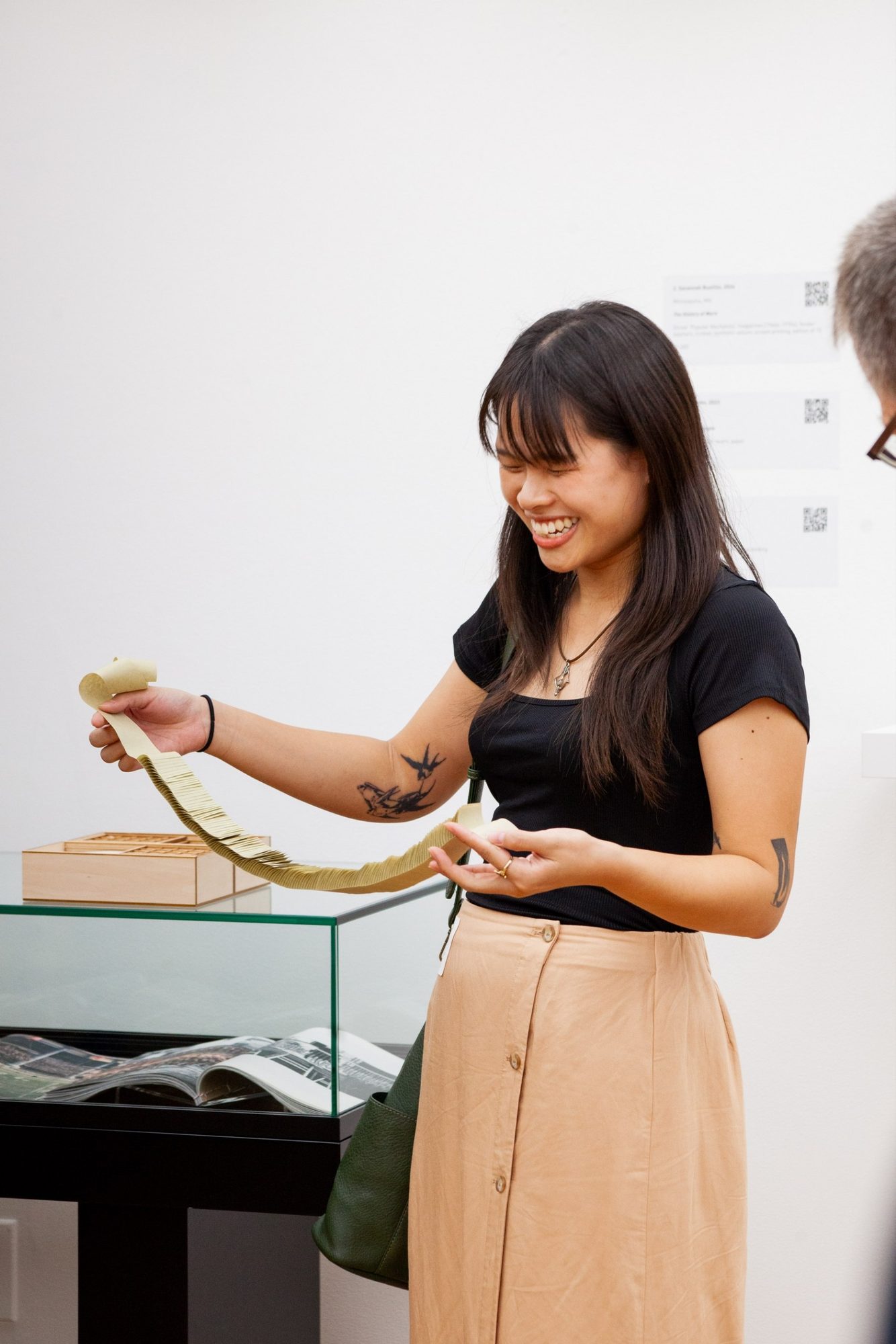
Angelica Ong 王歆惠
「私がわざわざアーティストブックをつくるのは、物理的な形式そのものが、作品の受け取られ方を変えるからです。」
I go out of my way—waza waza—to make artist's books because the physical form itself changes how the work is received.
活動について
About
アンジェリカ・オンは、写真とアーティストブックを制作するシンガポール出身のアーティストです。彼女の実践は、時間とその痕跡、言語、物質性、そして「遅さ」を探求するものであり、自然の循環、リズム、現象を、時間の経過を感じ取り、経験するための手がかりとして捉えています。宇宙的なスケールでありながら、同時にきわめて人間的で親密なものでもある時間の流れを、私たちはどのように感じ、経験しているのでしょうか。 彼女は、ジンからより彫刻的な作品まで、幅広いアーティストブックを制作しています。写真のプロセス、素材への感受性、そして自己省察的な姿勢を組み合わせながら、アンジェリカはアーティストブックとは何かという従来の概念に問いを投げかけます。彼女の作品における「ページ」や「見開き」は、単にめくるためのものではなく、記憶と意味が幾層にも重なり合う場として機能し、儚さや時間性を内包しています。会場では、エディション作品とユニーク作品の双方をご覧いただけます。いずれも、コンセプトとデザインから、印刷、製本、構造の制作に至るまで、すべて手作業で制作された作品です。 アンジェリカはこれまで、Singapore Art Book Fair(2025年)、Hong Kong Photobook Festival(2025年)、マイアミで開催されたTropic Bound(2025年)など、世界各地のアーティストブックフェアに出展してきました。彼女のアーティストブックは、オハイオ州立大学、バージニア・コモンウェルス大学、ブリンマー大学、シカゴ美術館附属美術大学の永久コレクションに収蔵されています。作品 「俳句の箱庭」(‘Garden of Haikus’)は、2024年にMinnesota Center for Book Arts(MCBA)のブックアート賞においてセミファイナリストに選出されました。また、《起伏》‘sea tiles: dreaming tides, gathering and unravelling’は現在、ミネアポリスのMCBAで開催中のFore Edge Fairにて展示されています。
Angelica Ong is a Singaporean artist working primarily with photography and artist books. Her practice explores time and its indexes, language, materiality and slowness, often looking to natural cycles, rhythms and phenomena as ways of experiencing the passage of time. How do we feel and experience time’s passing, which is both cosmic and intimately human in scale? She creates a range of artist books, from zines to more sculptural pieces. Combining photographic processes, material sensibility and self-reflexivity, Angelica challenges conventional notions of what an artist book can be by creating ‘pages’ and ‘spreads’ that are more than pages to turn, operating as layered sites of memory and meaning, embodying fragility and temporality. Visitors can expect a table featuring both editioned and unique works, each fully handcrafted from concept and design to printing, binding and construction. Angelica has exhibited at artist book fairs around the world, including the Singapore Art Book Fair (2025), the Hong Kong Photobook Festival (2025), and Tropic Bound (2025) in Miami. Her artist books can be found in the permanent collections of Ohio State University, Virginia Commonwealth University, Bryn Mawr College, and the School of the Art Institute of Chicago. Her work 「俳句の箱庭」 (‘Garden of Haikus’) was a Semi-Finalist for the Minnesota Centre for Book Arts (MCBA) in 2024 and her work 《起伏》‘sea tiles: dreaming tides, gathering and unravelling’ is currently on view as part of the Fore Edge Fair at the MCBA in Minneapolis.
出展予定の本
Present Work
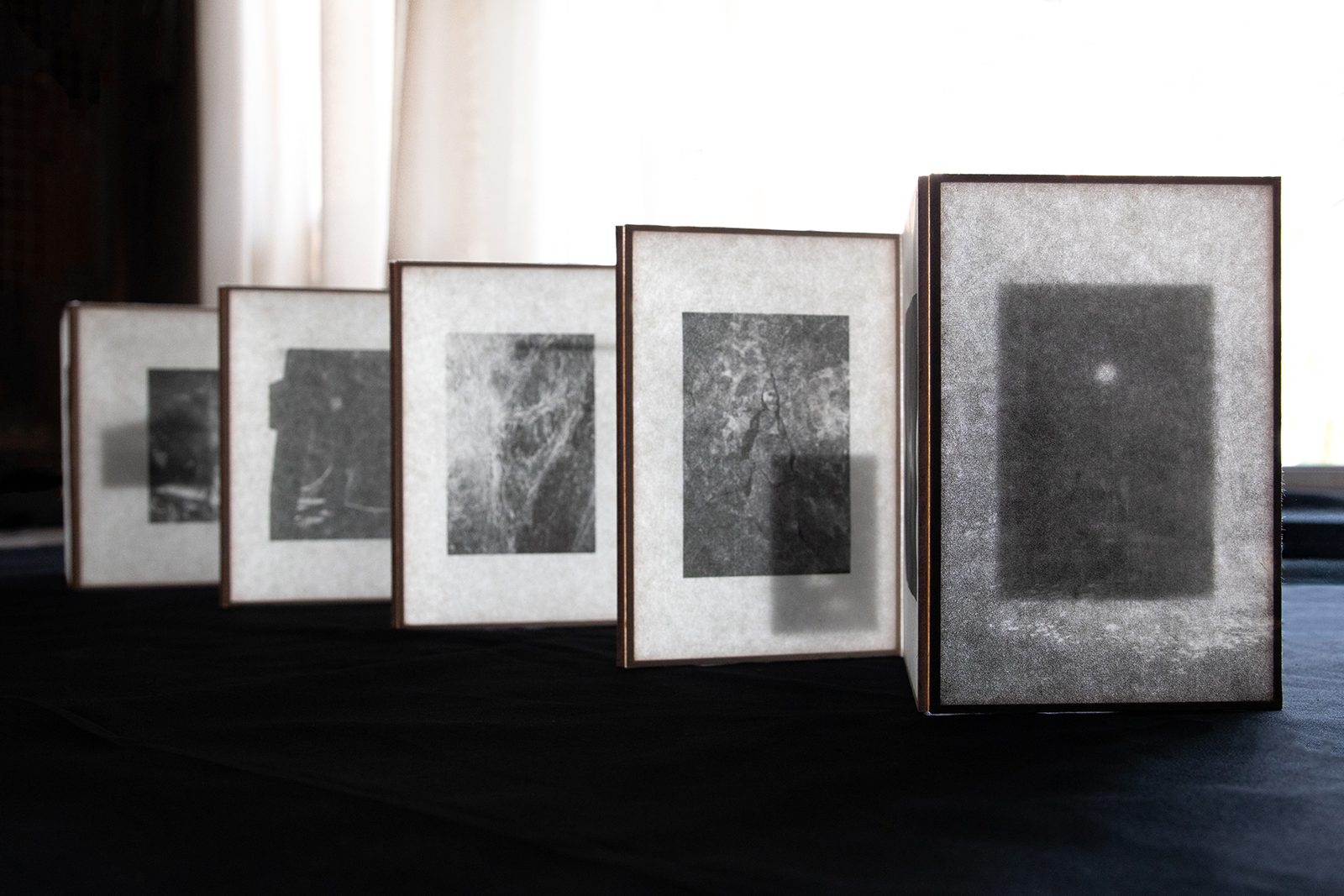
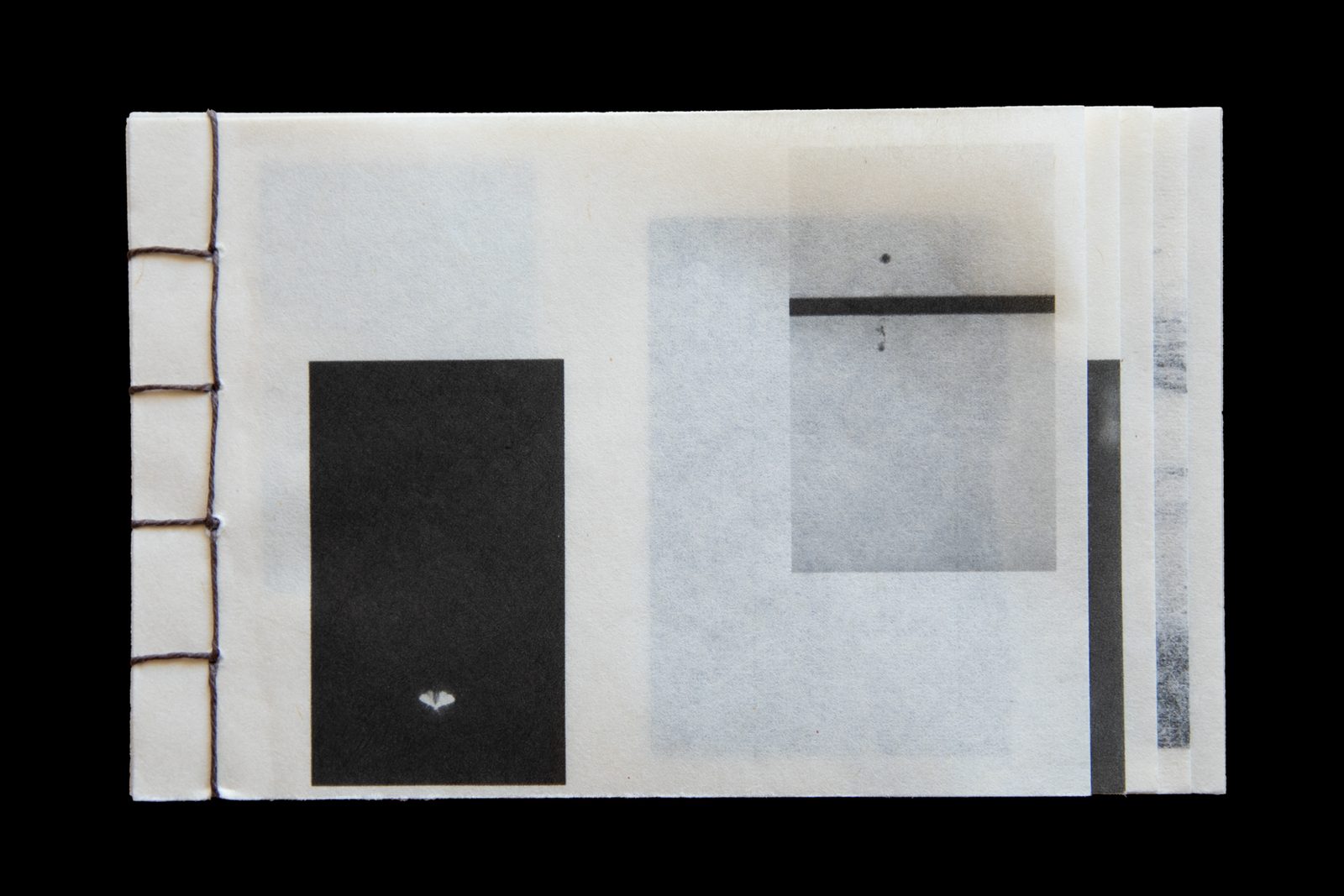
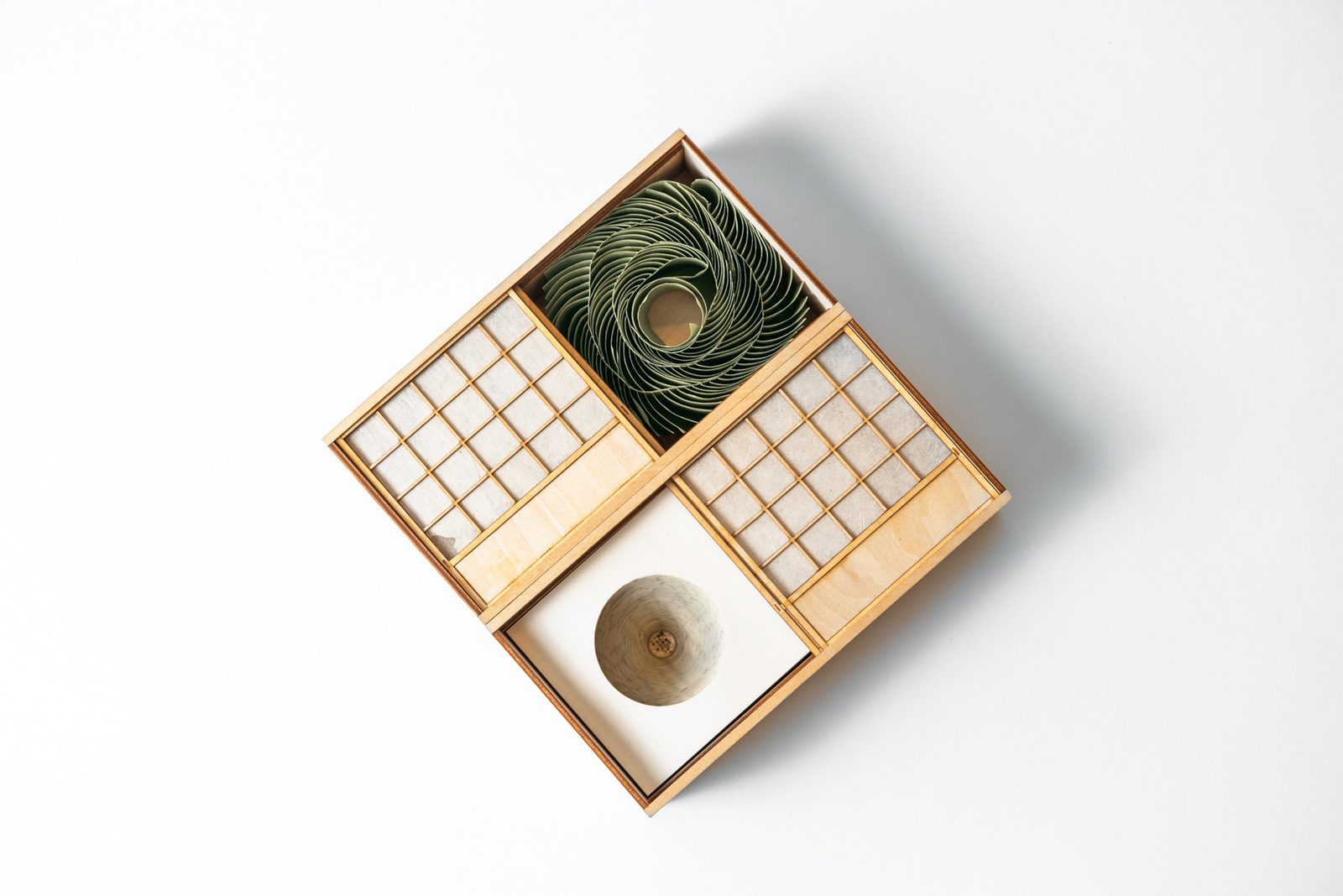
3. Title: 「暁月夜」 ‘grey suns’《黎明》 4. Title: ‘the smallest registers of motion’《微尘似梦》「上り月や 手に震える」 5. 「俳句の箱庭」 (Garden of Haikus) 6. Title: ‘on things fugitive’ 《如朝露暮霭》「果敢無い物事」 «sur les choses fugitives»
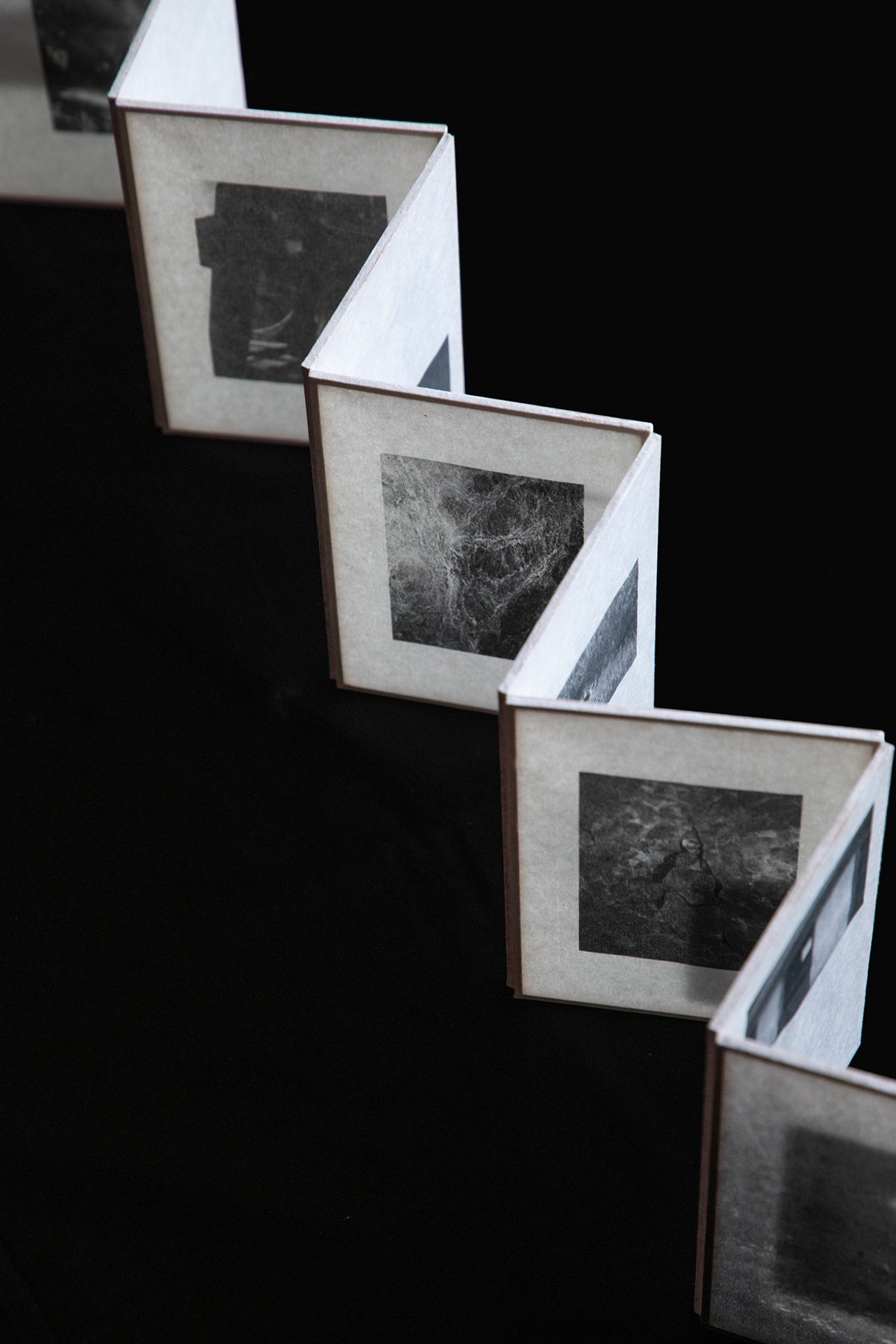
1. Title: ‘drifting nimbus’ 「透影」 Format: Handmade sculptural artist book Size: 12 x 18 x 3.8 cm Edition: Open edition, Copy 1 of 1 Work has been previously presented 2. Title: ‘Ascent’ 「山気」 (Working title) Format: Handbound artist book (either accordion-bound or stab binding) Size: 20 x 12.7 cm (To be confirmed) Edition: Open edition Work has never been shown (currently being completed) Format: Handbound accordion book, black and light grey risograph print on washi Size: 15 x 10 cm Edition: Edition of 35 Work has been previously presented Format: Handbound book via Japanese stab binding, inkjet print on washi Size: 10 x 16 cm Edition: Open edition Work has been previously presented Format: Handmade sculptural artist book Size: 20.6 x 21.6 x 5.7 cm Edition: Open edition, Copy 2 of 2 Work has been previously presented Format: Handbound via saddle stitch binding, inkjet on tracing paper and laser print on newsprint Size: 21 x 13.5 cm Edition: Edition of 100 Work has been previously presented 7. Title: ‘cyanotypes of the sun’ Format: Cyanotype prints on kyōseishi Size: To be determined Edition: Unique Work has never been shown (currently being completed) 8. Title: 「天の川」 ‘sea tiles: memories of the tides’ Format: Handbound accordion book, white riso ink on black paper Size: 10 x 16 cm Edition: Second edition, Edition of 40 Work has been previously presented, currently deciding if I should print a second edition
なぜ、わざわざ本を
Why a book
私の実践において、素材、形、プロセス、コンセプトは互いに絡み合い、補強し合っています。私は何を用いているのか、そしてなぜそれを用いるのか。意味と制作に対するこうした自己省察的なまなざしが、親密さ、身体的なスケール、そしてイメージ、素材、言葉をひとつの出会いのなかに結びつけることのできるアーティストブックという形式へと、私を引き寄せてきました。 私がわざわざアーティストブックをつくるのは、物理的な形式そのものが、作品の受け取られ方を変えるからです。本は、手に取られ、開かれ、めくられ、広げられ、動かされ、近くでじっくりと見られるものです。それは、スクリーン上で出会うイメージとは異なる、よりゆっくりとした、親密なリズムを鑑賞者に求めます。私の作品において、ページは単にイメージを載せるための面ではなく、触覚、透明性、重さ、そして動きのための空間でもあります。半透明の紙は、移ろう光のもとでイメージ同士が溶け合うことを可能にし、薄い素材は被写体のもろさを強めます。また、折り、綴じ、箱、仕切りといった構造は、作品に建築的な性質を与えます。本は、持ち運び、共有し、手の中で経験することのできる、小さな可動式の展覧会のようなものになるのです。 このような制作方法は、多くの場合、非効率的で、一般的に費用対効果の高いものではありません。それでも私は、作品における物質性や手仕事、そして作家の手の痕跡を大切にしています。紙を探し、印刷方法を試し、色調、質感、厚み、透け感、ページ同士のつながり方や動き方を考えるために、多くの時間を費やします。編集、印刷、製本、仕上げまでを自分自身で担うことで、完成したオブジェクトとの距離がより近くなります。そして、一見些細に見えるけれど重要な判断や変更を、作品の背後にある考えや感情に寄り添わせ続けることができるのです。
In my practice, material, form, process and concept intertwine with and reinforce one another. What am I using, and why do I use it? This self-reflexive attention to meaning and making has drawn me to the artist book form for its intimacy, bodily scale and capacity to bring together images, materials and words in a single encounter. I go through the trouble of making artist books because the physical form changes how the work is understood. A book must be held, opened, turned, unfolded, moved around, and looked at closely. It asks for a slower and more intimate rhythm than an image encountered on a screen. In my works, pages are not only surfaces for images, but spaces of touch, transparency, weight, and movement. Semi-translucent papers allow images to merge under shifting light; thin materials heighten a sense of fragility; folds, bindings, boxes, and compartments give the work an architectural quality. The book becomes a small, portable exhibition—one that can be carried, shared, and experienced in our hands. While this way of working is often inefficient and generally not cost-effective, I value materiality and craftsmanship in artworks and the presence of the artist’s hand in the work. I spend a great deal of time sourcing papers, testing printing methods, considering colour tone, texture, thickness, translucency, and the way pages join or move against one another. Taking on the editing, printing, binding, and finishing myself gives me a closer relationship to the final object, and allows seemingly trivial but important decisions and changes to remain attentive to the ideas and feelings behind the work.
なぜ、わざわざ伊賀へ
Why Iga
私の作品を伊賀まで持っていくことができるということは、アーティストブックへと向かった大きな理由を示しています。本は移動可能で、持ち運ぶことができ、親密な形式だからです。私は、本と手との関係性に強く惹かれています。本は触れられ、保管され、運ばれ、そして何度でも再び手に取ることができます。また、一冊の本がどれほど多くのものを内包できるのか、そしてイメージ、テキスト、素材、シークエンス、触覚がひとつの出会いのなかで結びつくことにも魅力を感じています。 私のアーティストブックは、イメージ、テキスト、素材の間に生まれる関係性を巡るものです。そのため、松尾芭蕉の生誕地である伊賀で作品を紹介できることは、私にとって特別な意味を持ちます。私は学生時代、日本語の先生を通して初めて芭蕉に出会いました。その後、大学時代に、正岡子規、川端茅舎、夏目漱石などの俳句を収めた現代日本俳句選集と偶然再会し、そのとき翻訳の不可能性に深く心を打たれました。 俳句における言葉の固有の流れや配列は、それを読む経験を形づくるうえで非常に重要です。また俳句は、最小限の言葉、わずか十七音のなかで最大限のものを伝えます。それは、途方もない小ささのなかに抱えられた広大さのようなものです。この考え方は、私の写真や多言語性への向き合い方にも影響を与えています。イメージの周囲にある「空白」や余白は、目に見えるイメージそのものと同じくらい重要であり、作品の配置においてその余白を形づくることは、私の制作プロセスの大切な一部となっています。さらに、俳句と時間との強い結びつきにも惹かれています。俳句の重要な要素である季語は、季節との直接的なつながりを生み出すからです。 こうした関心は、私の作品 「俳句の箱庭」(“Garden of Haikus”)にも反映されています。この作品では、選ばれた日本の俳句に対して、特定の本の形式、物体、素材を通して応答しています。私は、俳句が何を言っているのかを単に翻訳するのではなく、それがどのように感じられるのか、すなわち、そのニュアンス、空気感、そして啓示的な力を翻訳することに関心があります。 したがって、私の作品を伊賀へ持っていくことは、単に新しい観客に届くということだけではありません。それは、詩と文学史が深く響き合う場所へ、こうした問いを持ち帰ることでもあります。作品が伊賀の歴史、そしてそこで出会う人々と対話を始めることを願っています。
The fact that I would be able to bring my works to Iga speaks to a key reason why I turned to bookmaking rather than large-scale installation: books are mobile, portable, and intimate. I love the relationship that books have with the hand and how they can be touched, stored, carried, and returned to again and again. I am drawn to how much a book can contain, and how images, text, materials, sequence, and touch can come together within a single encounter. My artist books are concerned with the relational quality of images, text, and materials, and it would be especially meaningful to share them in Iga, the birthplace of Matsuo Bashō. I was first introduced to Bashō through my Japanese language teacher in school, and later re-encountered Japanese haikus through an anthology that included poets such as Masaoka Shiki, Kawabata Bōsha, and Natsume Sōseki. I was deeply struck by the impossibility of translation during this serendipitous encounter. The specific momentum and sequence of text in a haiku is crucial in shaping the experience of reading it. Haikus also convey the most with the least (just 17 syllables)—they are vastness held in tremendous smallness. This has shaped the way I approach photography and multilingualism in my practice: the ‘emptiness’ and negative space around an image are just as important as the images on view, and shaping these negative spaces in my arrangements has become an important part of my process. I am also drawn to the strong relationship between haikus and time, for a key component of each haiku is its kigo (季語), forming a direct link with the seasons. These concerns shaped my work 「俳句の箱庭」 (‘Garden of Haikus’), which responds to selected Japanese haikus through particular book forms, objects, and materials. Rather than merely translating what the haiku says, I am interested in translating how it feels: its nuances, atmosphere, and revelatory potential. To bring my books to Iga is therefore not only to reach a new audience, but to return these questions to a place where poetry and literary history have deep resonance. I hope the works can enter into conversation with Iga’s history and the people who encounter them there.