崇廣堂
Venue — Sukodo
01
会場について
About the Venue
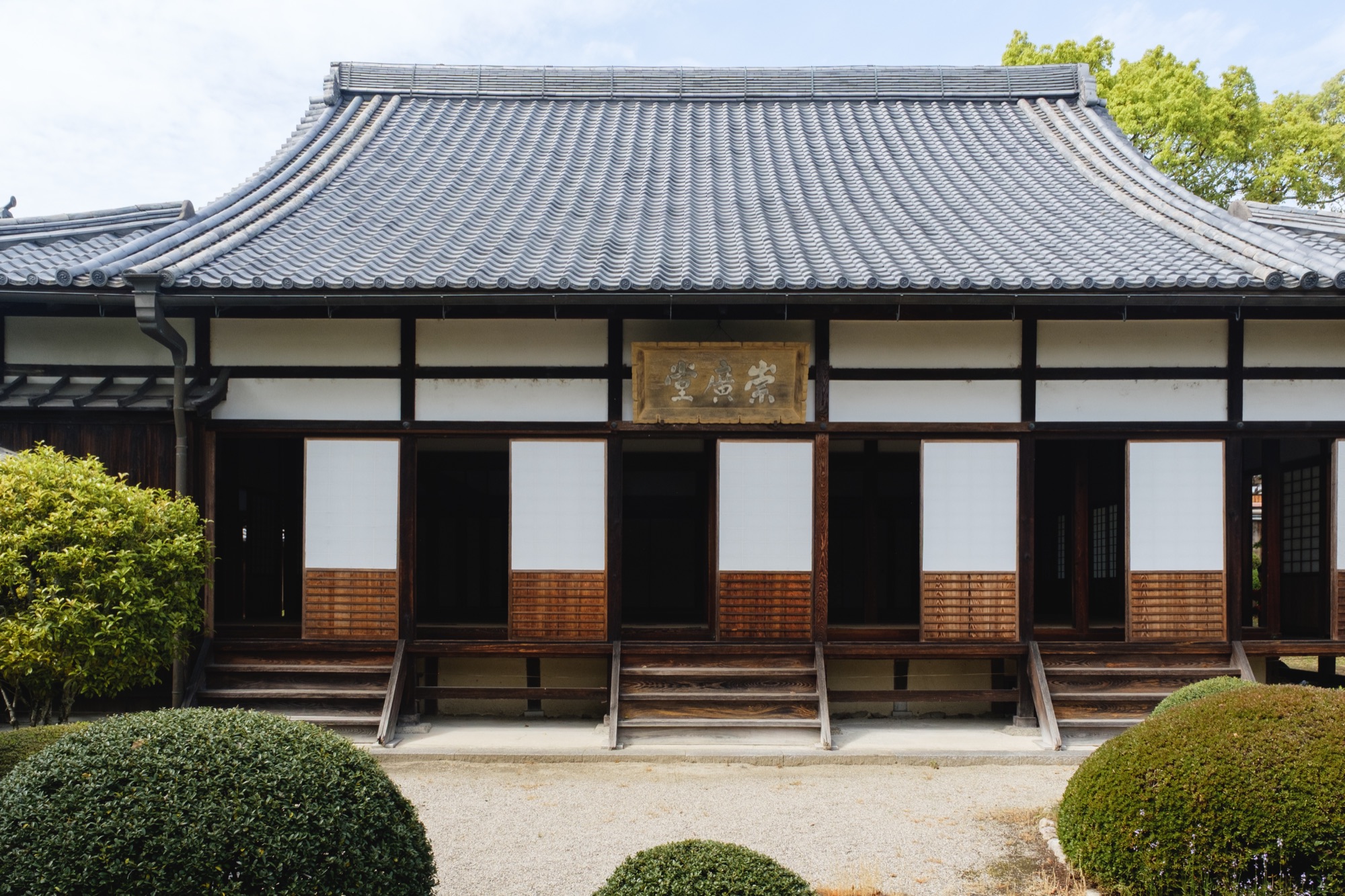
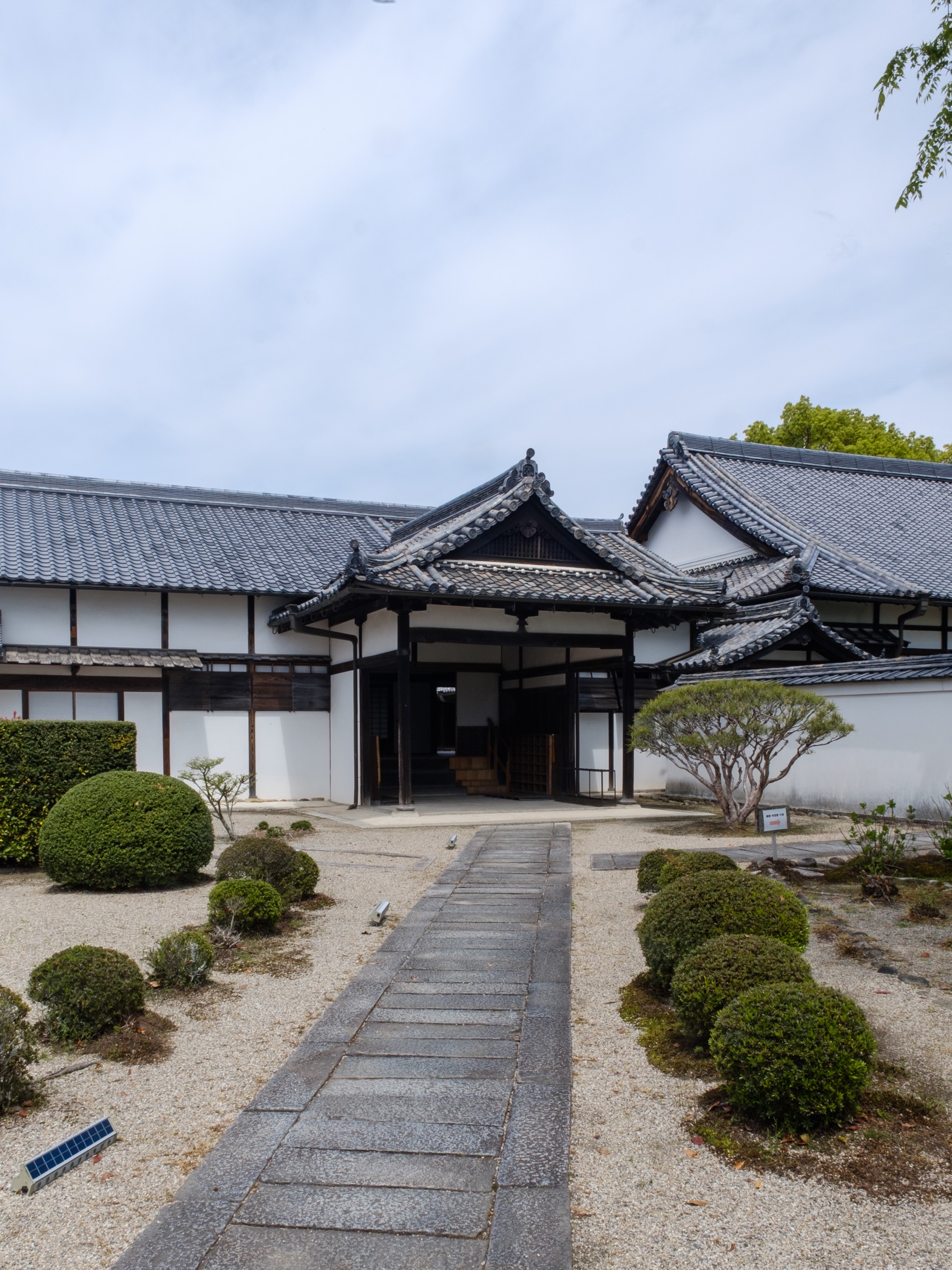
会場となる旧崇廣堂(すうこうどう)は、文政4年(1821年)に津藩第10代藩主・藤堂高兌によって建てられた藩校です。津藩の藩校「有造館」の支校として、伊賀・大和・山城地域の藩士子弟を教育する目的で創設されました。
「崇廣堂」の名は、中国古典『書経』の一節「功崇惟志、業廣惟勤」——志を崇くし、勤めによって業を廣くせよ——に由来します。講堂正面の扁額は、名君と称された上杉鷹山(上杉治憲)の揮毫によるもので、開校の翌年に鷹山は没しており、晩年の筆となりました。
The venue, Sukodo, is a domain school built in 1821 by Tōdō Takasawa, the 10th lord of the Tsu domain. It was established as a branch of Yūzōkan, the main domain school in Tsu, to educate the sons of samurai living in the Iga, Yamato, and Yamashiro regions.
The name Sukodo derives from a passage in the Chinese classic Book of Documents: "Achievement rises through aspiration; enterprise broadens through diligence." The calligraphic plaque in the lecture hall was written by Uesugi Yōzan, celebrated for his wise governance — it proved to be among his final works, as he passed away the following year.
藩校から図書館、そして文化の場へFrom School to Library to Cultural Space
畳72枚が敷き詰められた講堂を中心に、文武両道の教育が行われた崇廣堂。明治維新後は近代学校として転用され、明治38年(1905年)には三重県下最古の公立図書館が建物内に開設されました。地元では朱塗りの長屋門から「赤門」の愛称で親しまれ、板間の広間で本を読み学ぶ場として約80年にわたり市民の記憶に深く刻まれています。
昭和5年(1930年)に国の史跡に指定。1984年の図書館移転後は文化財施設として一般公開され、現在は講演会やコンサートなど多目的な文化活動の場としても利用されています。
Centered on a grand lecture hall laid with seventy-two tatami mats, Sukodo provided education in both literary and martial arts. After the Meiji Restoration, the building was repurposed as a modern school, and from 1905 housed one of Mie Prefecture's earliest public libraries. Known locally as Akamon — Red Gate — for its vermilion-lacquered entrance, it served the community as a place of reading and learning for approximately eighty years.
Designated a national historic site in 1930, the building now serves as an open cultural heritage site following the library's relocation in 1984, hosting lectures, concerts, and various cultural events.
学ぶ・書き記す・残す・手渡すLearn, Write, Archive, Pass On
崇廣堂の歴史には、「学ぶ」「書き記す」「残す」「手渡す」という営みが通底しています。畳敷きの講堂で師が経書を講じ、子弟たちは漢詩や文章を月課として提出しました。それらの詩稿や蔵書目録は今も記録として残り、200年の時を超えて当時の学びを伝えています。
師から弟子へ、藩校から図書館へ、そして本を通じて世代から世代へ——知のバトンを渡し続けてきたこの場所で、現代の本づくりと表現の場を開きます。
Throughout its history, Sukodo has embodied a cycle of learning, writing, archiving, and passing on. In its tatami-floored lecture hall, teachers taught the classics while students submitted monthly poetry compositions. Those manuscripts and book catalogues survive to this day, carrying the spirit of learning across two centuries.
From teacher to student, from school to library, from one generation to the next through books — in this place where knowledge has been handed down ceaselessly, we open a new space for contemporary bookmaking and creative expression.
02
場の系譜
Chronology
二百年、知の場としてTwo Centuries as a Place of Knowledge
1821
文政4年
藩校として開校Founded as a domain school
津藩第10代藩主・藤堂高兌が、本校・有造館(津)の支校として伊賀に建立。畳七十二枚の大講堂を中心に、伊賀・大和・山城の藩士子弟が文武両道を学んだ。建物は最初から、火を使わずに学べるよう自然光を採るための独立棟・中庭・腰高障子の設計思想で建てられている。
Tōdō Takasawa, the 10th lord of the Tsu domain, built Sukodo as a branch of the main school Yūzōkan in Tsu. Around a 72-tatami lecture hall, samurai children of Iga, Yamato, and Yamashiro learned both letters and martial arts. From the start the building was designed for natural light — independent halls, an inner courtyard, and waist-high shoji — so students could learn without open flame.
1822
文政5年
上杉鷹山、扁額を揮毫Uesugi Yōzan inscribes the plaque
名君と称された米沢藩主・上杉鷹山(治憲)が、講堂正面の扁額「崇廣堂」を揮毫。翌年に鷹山は没しており、晩年の筆として今も講堂を見守っている。
Uesugi Yōzan — celebrated lord of Yonezawa — writes the calligraphic plaque 崇廣堂 hanging on the lecture hall's facade. He passes away the following year, leaving these characters as one of his final works.
1872
明治5年
藩校が廃止、近代学校へ転用Repurposed as a modern school
学制発布により全国の藩校は廃止。崇廣堂の建物は近代教育のための学校施設として継続利用され、武家の子弟ではなく地域の子どもたちの学びの場へと役割を変えていく。
With the Meiji-era education reforms, the domain school system was abolished nationwide. The building continued as an early modern school — shifting from samurai children to the children of the surrounding community.
1905
明治38年
三重県下最古の公立図書館にBecomes Mie's oldest public library
建物内に「阿山郡立図書館」(のちの上野市立図書館)が開設。三重県下で最も早く設立された公立図書館で、必要な図書は地域の有志からの寄贈を募って集められた。板間の講堂で本を読む光景が、約80年にわたり世代を超えて市民の記憶に刻まれた。
Ayama District Library — the predecessor of Ueno Municipal Library — opens inside the building. The earliest public library established in Mie Prefecture, its initial collection was assembled through book donations from residents and supporters. For roughly 80 years, people came here to read in the boarded hall, the image of it sinking into the city's collective memory.
1930
昭和5年
国の史跡に指定Designated a national historic site
11月19日、「旧崇廣堂」として国の史跡に指定。三重県内に現存する唯一の藩校建築として、文化財として保存対象となる。
On November 19, the building is designated a national historic site as 'Former Sukodo' — the only surviving domain school architecture in Mie Prefecture, formally placed under cultural protection.
1984
昭和59年
図書館移転、文化財として一般公開Library relocates; opens as cultural heritage
図書館が新館に移転し、80年の図書館時代が幕を閉じる。建物は文化財施設として一般公開され、保存修理工事も進行。講演会・コンサート・展示など、多目的な文化活動の場として現在に至る。
The library moves to a new facility, ending its 80-year tenure inside Sukodo. Conservation work begins, and the building opens to the public as a cultural property — hosting lectures, concerts, and exhibitions in a new chapter.
2026
令和8年
Waza Waza — Iga Art Book Fair 開催Hosts Waza Waza — Iga Art Book Fair
9月26日・27日、二百年の知の場に、独立出版とアートブックの作り手・届け手が国内外から集う。本を介して知を手渡す営みは、藩士子弟、図書館の読者、そしてアートブックフェアの来場者へと、形を変えながら続いていく。
On September 26 and 27, makers and carriers of independent publications and artist books gather here from across Japan and the world. The act of handing knowledge from one person to another — once through samurai children, then through library readers, now through visitors to the fair — continues in another form.
03
会場をめぐる
Walkthrough
Through the Spaces
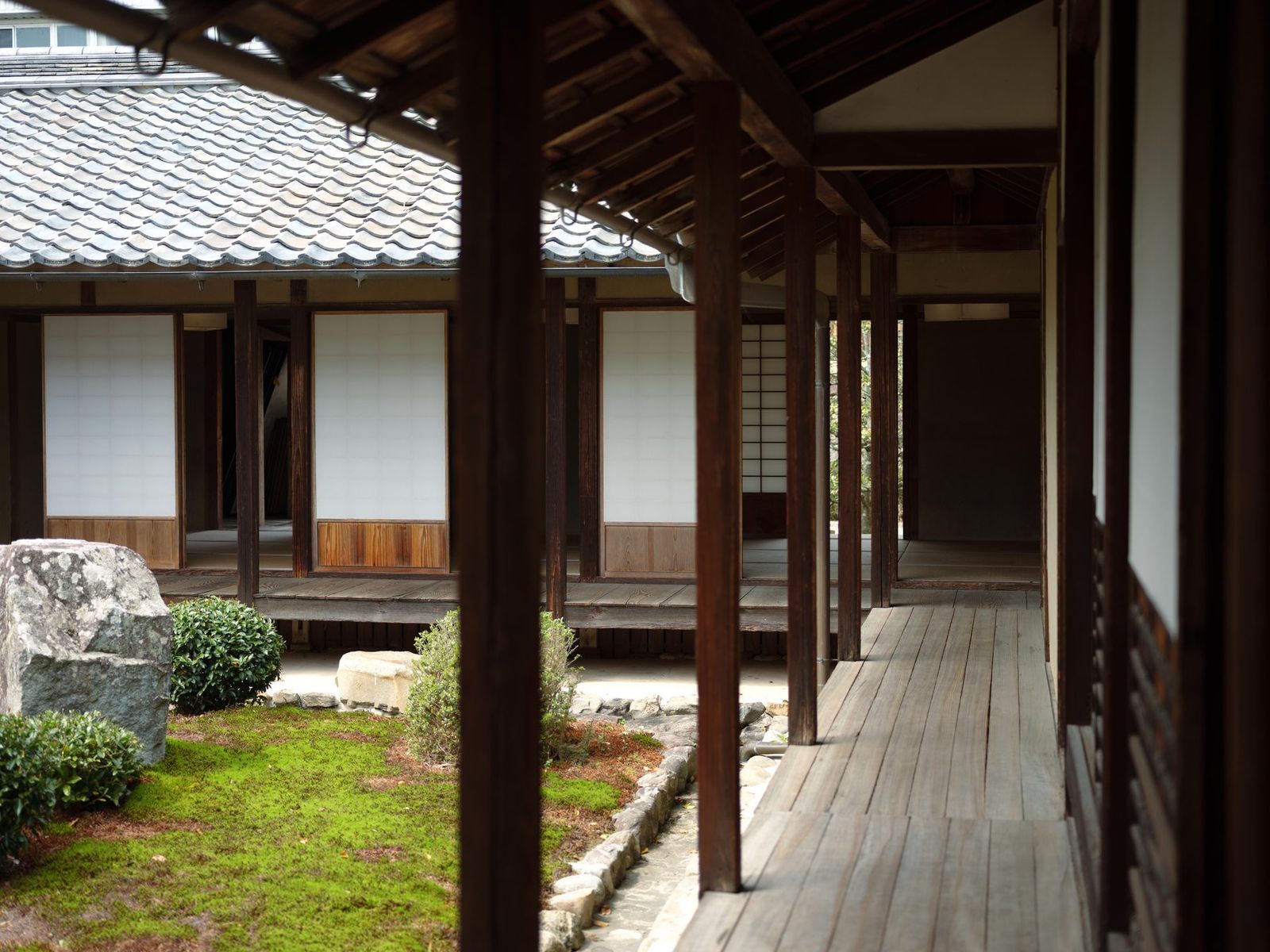
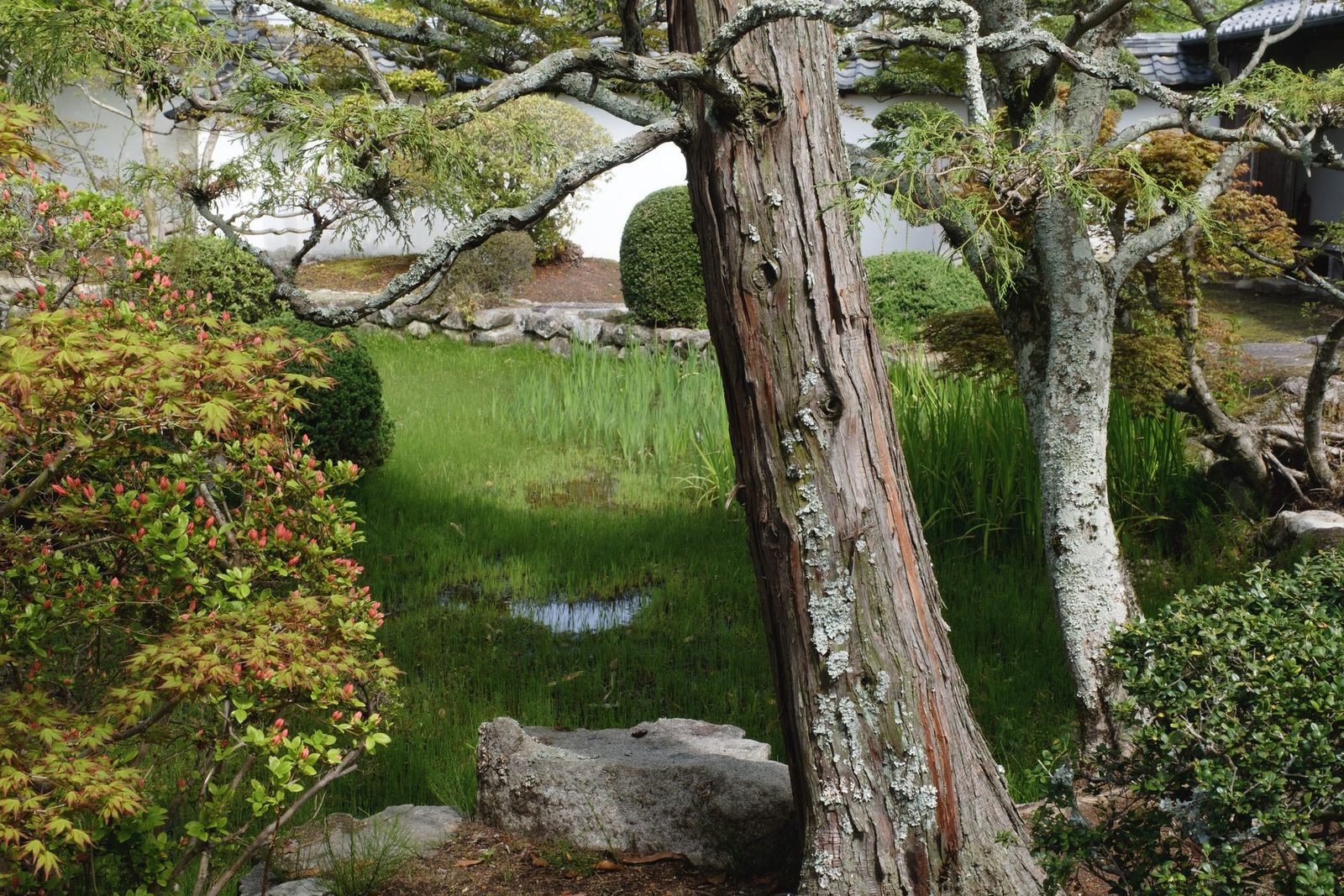
表門を抜けると、瓦と漆喰、木と緑の織りなす二百年の時間に出会う。講堂、外観、玄関の間、渡り廊下、北控所、そして土間に残るかまど。六つの場面で、崇廣堂の今を歩いてみる。
Past the front gate, two centuries surface in tile and plaster, in timber and greenery. The lecture hall. The exterior. The entrance wing. The covered walkway. The north antechamber. The kamado still standing in the kitchen. A walk through Sukodo today, in six vignettes.
会場をめぐるWalk through the venue→05
アクセス
Access
会期 · Save the Date
9.26–27
土曜・日曜 · 2026 · 11:00–19:00 · 入場無料September 26 and 27, 2026 · Sat–Sun · Free admission
この二日間を、どうぞ空けておいてください。Please keep these two days.
上野市駅 Uenoshi Sta.
徒歩10分 / 10 min walk
〒518-0873 三重県伊賀市上野丸之内78-1
大阪からFrom Osaka
~2h上本町 / 鶴橋
近鉄線
伊賀神戸
乗り換え
上野市
伊賀鉄道
特急利用が便利です
Taking the limited express is the easiest option. Reserved seats require a separate ticket.
名古屋からFrom Nagoya
~2h名鉄バスセンター
三重交通バス
上野市
直通
名古屋駅直結・乗り換えなし
Direct from Nagoya Station — no transfers needed.
三重交通 時刻・運賃 / Mie Kotsu Timetable & Fares →KIX / セントレア(NGO)から鉄道・バス利用可/ Accessible from KIX / Centrair (NGO) by train or bus
徒歩圏内Within Walking Distance
上野城Ueno Castle
日本有数の高石垣で知られる城。天守閣から伊賀盆地を一望できます。
Known for Japan's tallest stone walls. Panoramic views of the Iga basin from the castle tower.
芭蕉翁記念館Basho Memorial Museum
俳聖・松尾芭蕉の生誕地に建つ記念館。芭蕉の直筆資料や旅の記録を展示。史跡芭蕉翁生家・蓑虫庵との3館共通券(750円)があります。
A museum dedicated to haiku master Matsuo Basho, born in Iga. Exhibits original manuscripts and travel records. A combined ticket with his birthplace and Minomushi-an costs ¥750.
史跡芭蕉翁生家Basho's Birthplace
芭蕉が育った家。裏の釣月軒で処女句集『貝おほひ』を書いたと伝わります。8:30〜17:00(入館16:30まで)・火曜休。フェアの前、午前に寄れます。
The house where Basho grew up; in the small study behind it he is said to have written his first collection. Open 8:30–17:00 (last entry 16:30), closed Tuesdays — an easy stop before the fair opens.
蓑虫庵Minomushi-an
芭蕉の門人・服部土芳の草庵。芭蕉が庵開きに贈った句「蓑虫の音を聞に来よ草の庵」が名の由来で、芭蕉五庵のうち唯一現存します。8:30〜17:00(入館16:30まで)・火曜休。一乃湯とは目と鼻の先です。
The grass hut of Basho's disciple Hattori Doho, named after the poem Basho sent for its opening, and the only one of the five Basho hermitages still standing. Open 8:30–17:00 (last entry 16:30), closed Tuesdays — a few steps from Ichinoyu.
芭蕉句碑「草いろいろ」(旧上野図書館)Basho Haiku Monument (Former Ueno Library)
「草いろいろ おのおの花の 手柄かな」。中曽根康弘の筆を基にした句碑で、英訳詩が添えられているのが特徴——俳句も、とうにグローバル化しています。図書館が長く暮らした旧上野図書館(上野丸之内40-5)で見られます。
Basho's haiku "Kusa iroiro" carved from calligraphy by former Prime Minister Yasuhiro Nakasone — unusually, an English rendering of the poem stands beside it. Haiku, too, has gone global. At the former Ueno Library, 40-5 Uenomarunouchi.
伊賀流忍者博物館Iga Ninja Museum
忍者屋敷やからくり仕掛けを体験できる博物館。忍術実演も開催。
Experience ninja houses and trick devices. Live ninja demonstrations are held regularly.
だんじり会館Danjiri Hall
上野天神祭のだんじりや鬼行列を常設展示。400年続く祭文化に触れられます。
Permanent exhibition of the Ueno Tenjin Festival floats and demon processions — a 400-year tradition.
Sakakura Base(旧上野市庁舎)Sakakura Base (Former Ueno City Hall)
坂倉準三設計のモダニズム建築。修復を経て、観光案内・物販・カフェ・ホテルを備えた複合観光拠点として再生。
A modernist building designed by Junzo Sakakura. Restored as a tourism hub with an information center, shop, cafe, and hotel.
赤井家住宅Akai Residence
江戸時代の武家屋敷。文化都市協会が管理し、展示やイベントの会場として活用。
An Edo-period samurai residence managed by the Cultural City Association, used for exhibitions and events.
入交家住宅Irimajiri Residence
歴史的な町家建築。文化都市協会の管理のもと、文化施設として公開。
A historic townhouse managed by the Cultural City Association, open as a cultural facility.
一乃湯Ichinoyu
大正15年に建てられた銭湯。唐破風の屋根と石柱門が国の登録有形文化財です。14:00〜23:00・木曜休。フェアのあと、歩いて行けます。
A public bath built in 1926; its gate and curved gable roof are Registered Tangible Cultural Properties. Open 14:00–23:00, closed Thursdays — within walking distance after the fair.
少し足を延ばしてA Little Farther Afield
旧小田小学校本館Former Ota Elementary School
明治14年に建てられた、現存する小学校校舎としては三重県最古の建物。三重県指定有形文化財です。崇廣堂が藩校から図書館になった建物なら、こちらは学校のまま残った建物。9:00〜16:30・火曜休(祝日は開館)。
Built in 1881, the oldest surviving school building in Mie Prefecture and a Prefecturally Designated Tangible Cultural Property. If Sukodo is a school that became a library, this is a school that stayed a school. Open 9:00–16:30, closed Tuesdays.
伊賀鉄道Iga Railway
忍者をテーマにしたユニークなラッピング列車が走るローカル線。伊賀神戸〜上野市間を結ぶ。
A local line running ninja-themed trains between Iga-Kambe and Uenoshi stations.
SHINDO YARDS(新堂)Shindo Yards
「本に出会う図書館」BOOKMARK STORAGE を擁する複合施設。伊賀市と DMG 森精機の共同運営で、2万冊の蔵書と名和晃平のアート作品が迎えます。
A complex in Shindo housing BOOKMARK STORAGE — "a library where you encounter books," jointly run by Iga City and DMG MORI, with 20,000 volumes and artwork by Kohei Nawa.
三重県上野森林公園Ueno Forest Park
里山の丘に広がる県立公園。散策路をゆっくり歩けば、伊賀盆地の自然そのものに出会えます。
A prefectural park spread over wooded hills — walking its trails is the simplest way to meet the nature of the Iga basin.
伊賀市ミュージアム青山讃頌舎Iga City Museum Aoyama Utanoie
水墨画家・穐月明の作品と収集古美術を収める美術展示施設。庭と茶室も美しい。近鉄青山町駅から徒歩約15分。
An art museum holding ink paintings by Akira Akizuki and his collection of antique art, with a lovely garden and tea house. About 15 minutes on foot from Kintetsu Aoyamacho Station.
本と文学をめぐるBooks & Literature
伊賀は、俳聖・松尾芭蕉を生んだ土地です。新感覚派の作家・横光利一は会津に生まれましたが、母の郷里である柘植で小学校時代の大半を過ごしました。放送作家・小説家の岸宏子(1922–2014)は上野の生まれで、横光とは親戚にあたります。書くことの系譜が、この土地には続いています。
Iga is the birthplace of the haiku master Matsuo Bashō. The novelist Riichi Yokomitsu, born in Aizu, spent most of his primary-school years in Tsuge, his mother's hometown. The broadcast writer and novelist Hiroko Kishi (1922–2014) was born in Ueno and was a relative of Yokomitsu. A lineage of writing runs through this place.
岸宏子記念伊賀文学館Kishi Hiroko Memorial Iga Literature Museum
放送作家・小説家の岸宏子が「伊賀の文学振興のために」と伊賀市へ遺した旧宅を活用した文学館。伊賀文学振興会による読書会や朗読会も開かれています。上野市駅から徒歩約10分(上野忍町2435-13)。
A literature museum in the former home of writer Hiroko Kishi, bequeathed to the city for the promotion of literature in Iga. The Iga Literature Society holds reading circles and recitations here. About 10 minutes on foot from Uenoshi Station.
こげら文庫Kogera Bunko
柘植町の小屋を改装したカフェ。伝説の漫画雑誌『ガロ』を創刊の1964年から1997年まで、341冊そろえて自由に読めます。金〜日曜の営業。
A café in a converted hut in Tsuge, holding 341 issues of the legendary alternative manga magazine GARO — from its 1964 founding through 1997 — free to read on the spot. Open Friday to Sunday.
AprilBooksAprilBooks
柘植駅前の本屋兼まちライブラリー。新刊書と古本、まちライブラリーの機能が重なり、コーヒーも飲めます。約700冊。わざわざ実行委員・芝川由希の店で、本フェアにも出展します。会期の2日間は出展のためお休みです。会場でお会いできます。
A bookshop and community library in front of Tsuge Station, combining new and secondhand books with a reading room and coffee — around 700 volumes. Run by Waza Waza committee member Yuki Shibakawa, and an exhibitor at the fair. The shop is closed on both fair days — you will find them at Sukodo instead.